
That nagging stiffness in your knees when you stand up, the dull throb in your shoulders after a long day, or the sharp twinge in your fingers that makes opening a jar feel like a workout. If chronic joint pain has become your unwanted sidekick, you’re far from alone. Millions wake up to it every morning, brushing it off as “just aging” or “I overdid it yesterday.” But here’s the thing: ignoring it can turn a manageable issue into something that sidelines you from the activities you love. As someone who’s helped friends navigate these aches and dug deep into the latest insights from places like Mayo Clinic and Cleveland Clinic, I’m here to share the real story. Let’s walk through the top 7 causes of chronic joint pain you shouldn’t brush aside plus what you can actually do about them so you can move freely again.
Why Chronic Joint Pain Deserves Your Attention
Joint pain that sticks around for weeks or months isn’t random. It’s your body waving a red flag. Left unchecked, it can limit mobility, affect sleep, and even lead to bigger problems like muscle weakness or depression. The good news? Most causes are manageable when caught early. Ready to get to the root? Here are the biggest culprits.

Knee Arthritis X-ray Stages: What You Need To Know
1. Osteoarthritis – The Wear-and-Tear Culprit
Often called “wear-and-tear arthritis,” osteoarthritis is the most common reason for chronic joint pain, especially after age 45. Over time, the protective cartilage in your joints breaks down, leaving bone rubbing on bone. It hits weight-bearing spots like knees, hips, and spine hardest.
Real talk: My neighbor Dave thought his knee pain was just from “too many hikes.” Turns out, years of use had thinned the cushioning. Studies show it affects over 32 million adults in the U.S., and extra weight speeds it up dramatically.
Why ignore it at your peril: It gets worse without care, limiting daily life. Early moves like low-impact exercise and weight management can slow it way down.
2. Rheumatoid Arthritis, When Your Body Turns on Itself
This autoimmune condition tricks your immune system into attacking the joint lining, causing swelling, stiffness (especially in the morning), and pain that often hits both sides of the body think wrists, fingers, and ankles.
A friend of mine woke up with puffy hands she blamed on “sleeping funny.” Months later, a blood test revealed rheumatoid arthritis. It affects about 1.3 million Americans and can strike at any age, though it’s more common in women.
Don’t wait: Early treatment prevents joint damage. Lifestyle tweaks plus meds (when needed) make a huge difference.
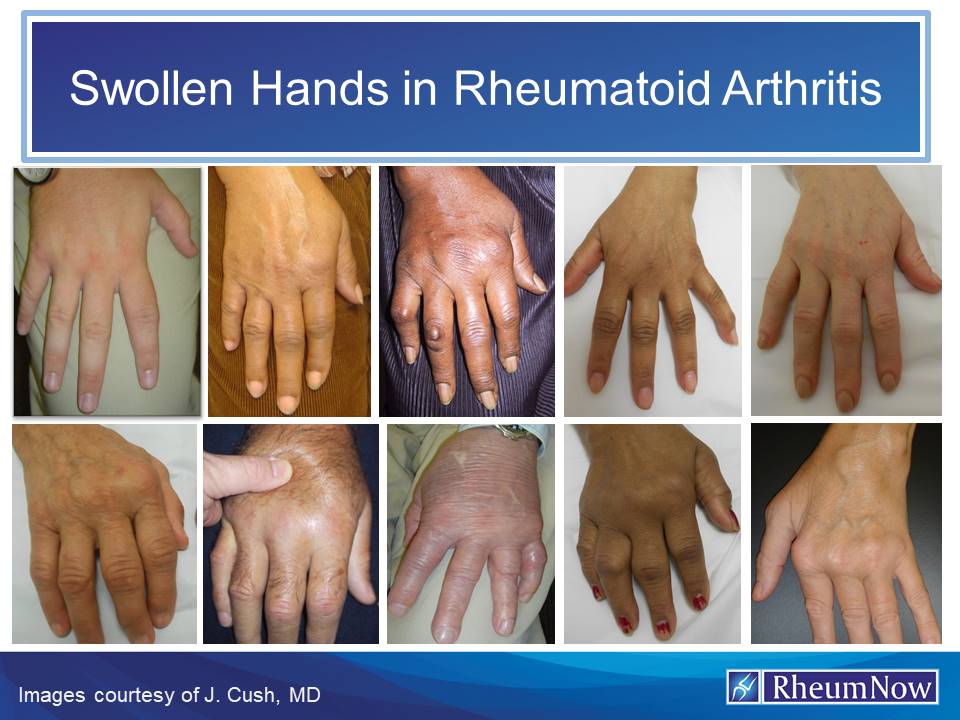
Swollen Hands In Rheumatoid Arthritis | RheumNow
3. Gout – The Crystal Surprise Attack
Gout happens when uric acid builds up and forms sharp crystals in joints hello, sudden, intense pain, often in the big toe. It can feel like your joint is on fire.
One guy I know skipped his usual check-up and ended up in the ER thinking it was a broken toe. High-purine foods (red meat, beer) and genetics play big roles. It’s more common in men and those with certain health conditions.
Ignore it and attacks become more frequent and spread. Cutting trigger foods and staying hydrated helps prevent flare-ups.
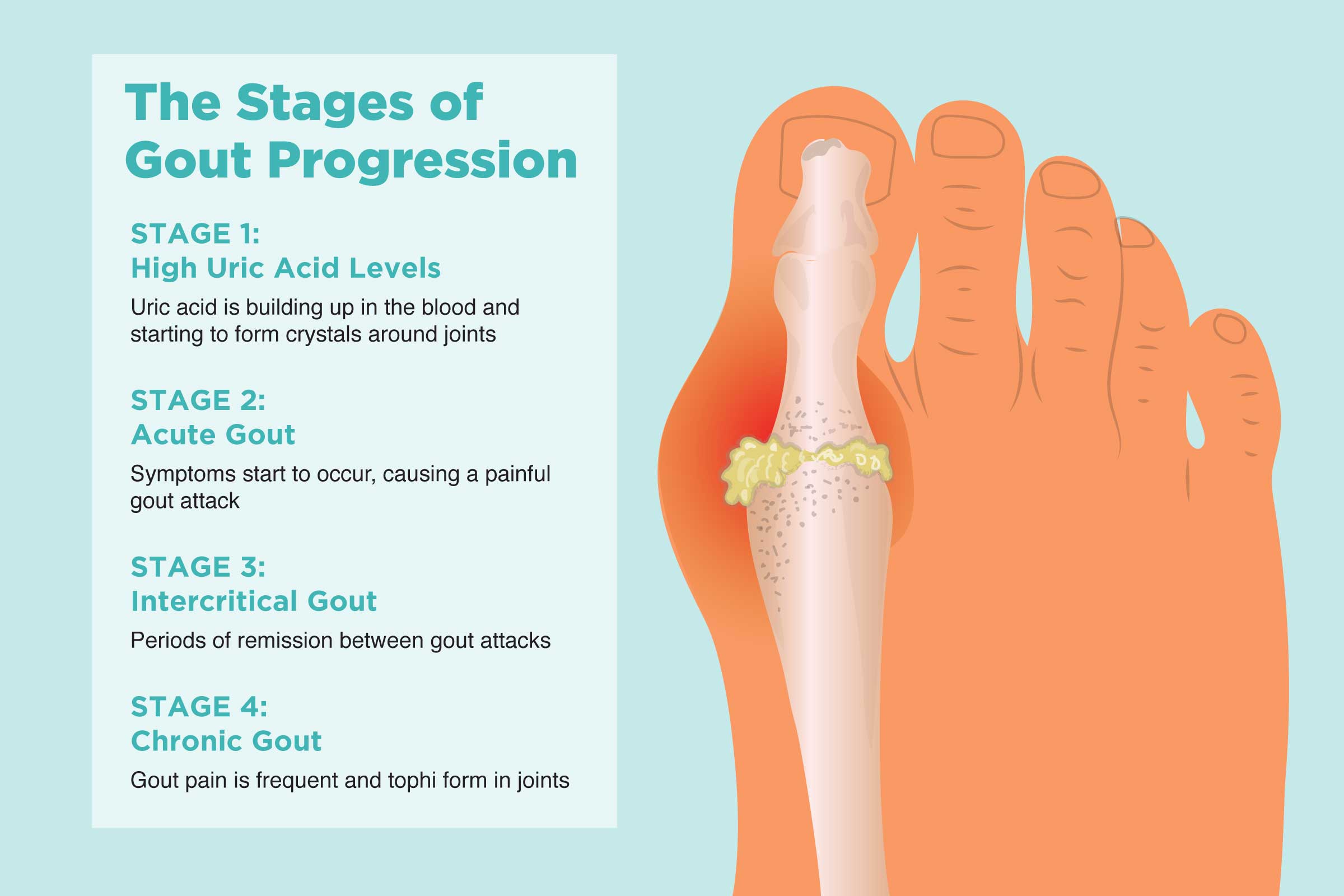
The 4 Stages of Gout and Preventing Disease Progression
4. Bursitis – Inflamed Cushion Trouble
Bursae are tiny fluid-filled sacs that cushion your joints. When they get irritated from overuse or pressure (think leaning on elbows or kneeling a lot), bursitis brings swelling and achy pain.
Gardeners and desk workers often deal with it in hips or shoulders. It’s not arthritis, but it sure feels like it.
Why act fast: Rest, ice, and anti-inflammatory habits usually clear it, but repeated cases signal you need to change how you move.
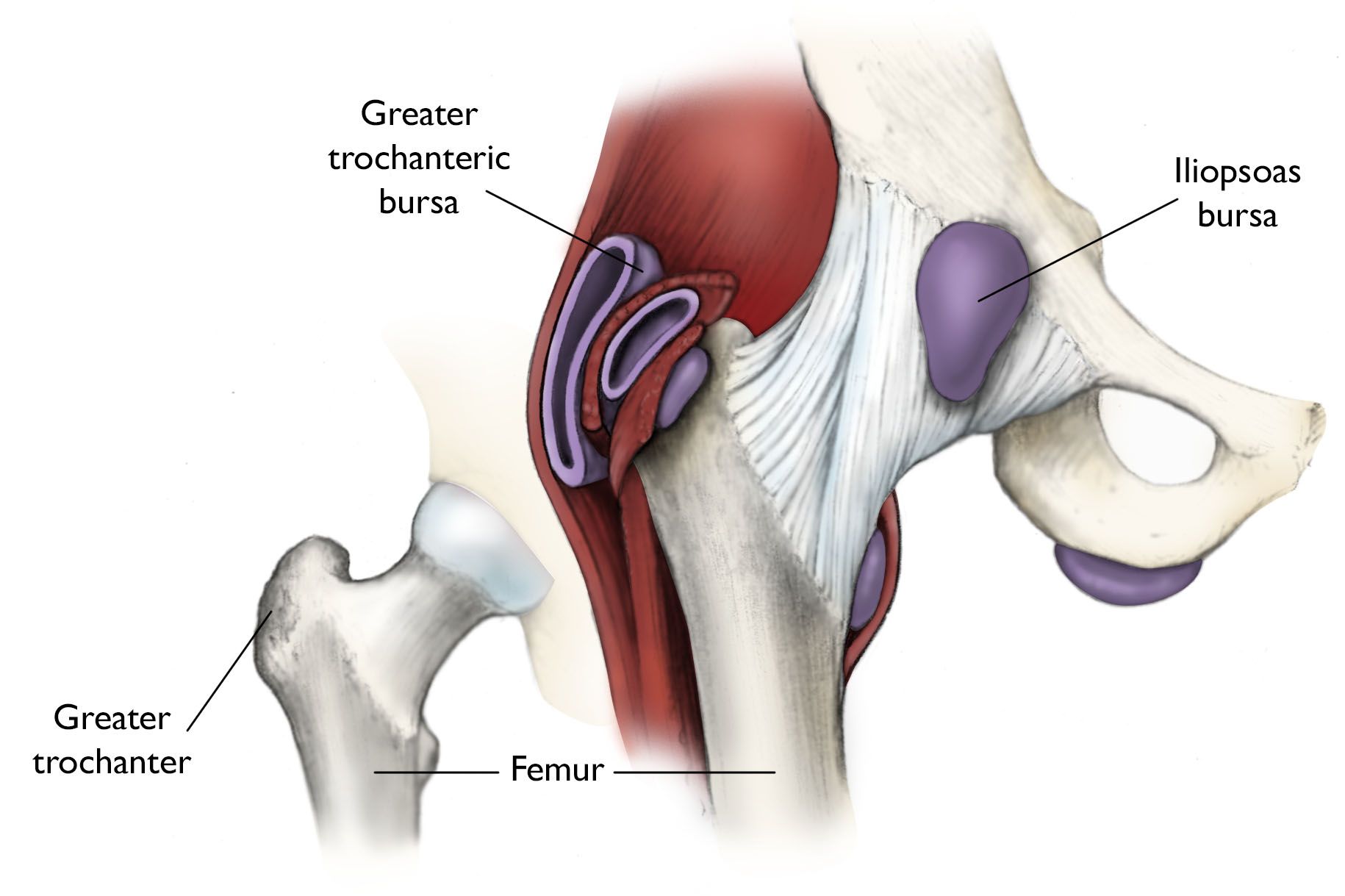
Hip Bursitis – OrthoInfo – AAOS
5. Tendinitis – Overworked Tendon Woes
Tendons connect muscle to bone. Repetitive motions like typing, swinging a tennis racket, or lifting can inflame them, causing pain around joints (think “tennis elbow” or jumper’s knee).
It creeps up slowly but sticks around if you keep pushing through.
The fix? Rest the area, gentle stretches, and better ergonomics. Many people see big improvement in weeks.
6. Previous Injuries or Repetitive Strain
That old ankle sprain from years ago? It can leave scar tissue or instability that turns into long-term joint pain. Same with years of poor posture or repetitive work.
Athletes and manual laborers see this often. One small injury can snowball into chronic issues if joints don’t heal properly.
Key takeaway: Strengthening surrounding muscles and proper rehab prevent old injuries from haunting you forever.
7. Excess Weight – The Silent Joint Stressor
Carrying extra pounds puts 4 times more pressure on your knees with every step. It also fuels inflammation throughout the body.
Research shows even modest weight loss (5-10%) can slash knee pain dramatically. It’s one of the most controllable causes.
If this hits home, small daily changes add up fast.
What Now? Listen to Your Joints and Take Action
Chronic joint pain isn’t something to tough out. The top 7 causes from osteoarthritis and rheumatoid arthritis to gout, bursitis, tendinitis, old injuries, and extra weight all share one thing: early attention makes them far more manageable.
Start by tracking when pain hits, what makes it better or worse, and chat with your doctor if it lasts more than a few weeks or comes with swelling, redness, or fever. Simple steps like staying active, eating anti-inflammatory foods, maintaining a healthy weight, and using good posture go a long way.