
Ever rushed out in your chappals during a Mumbai monsoon, only to come home with sore, itchy feet? Or stood for hours in a Delhi market, feeling that nagging ache in your heels? As someone who’s navigated India’s bustling streets and varying climates, I know our feet take a real beating. But here’s the thing: Your feet aren’t just carrying you around—they’re like silent messengers, signalling bigger health issues. Ignoring warning signs of poor foot health can lead to serious problems, especially in India where diabetes affects over 77 million people, making foot complications a leading cause of hospital visits. Let’s uncover the 5 warning signs of poor foot health you should never brush off. Spotting them early could save you a lot of trouble!
Why Foot Health Matters More in India
With our hot, humid weather, long hours on our feet, and rising diabetes cases, foot problems are super common here. Fungal infections thrive in sweaty shoes, while diabetic neuropathy can sneak up quietly. Studies show diabetic foot ulcers affect 12-25% of diabetics lifetime, often leading to infections or worse if ignored. The good news? Many issues are preventable with awareness. Take a quick peek at your feet daily—it’s a small habit with big rewards.

Children’s Athletes Foot Signs Symptoms Causes and Treatment
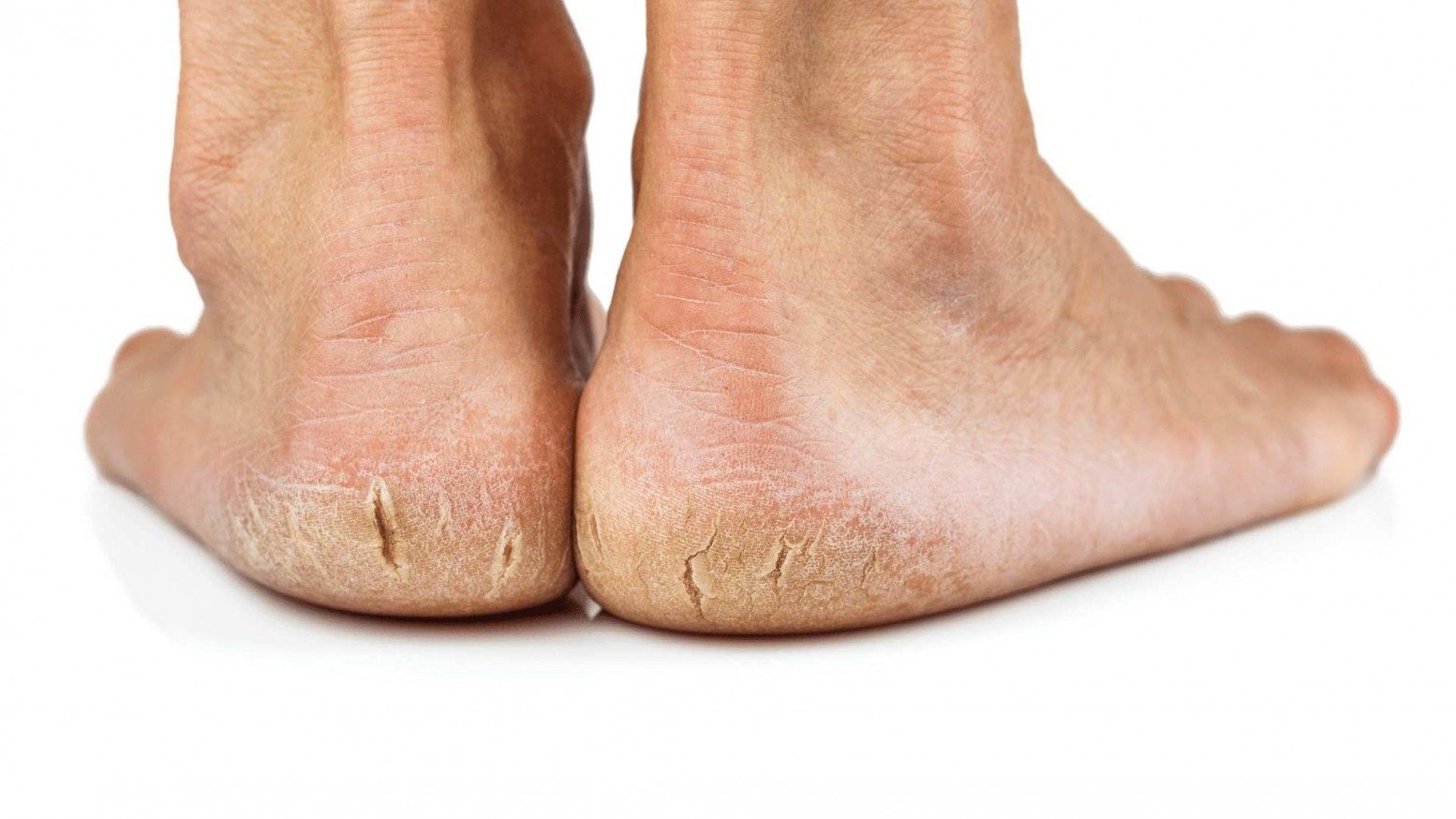
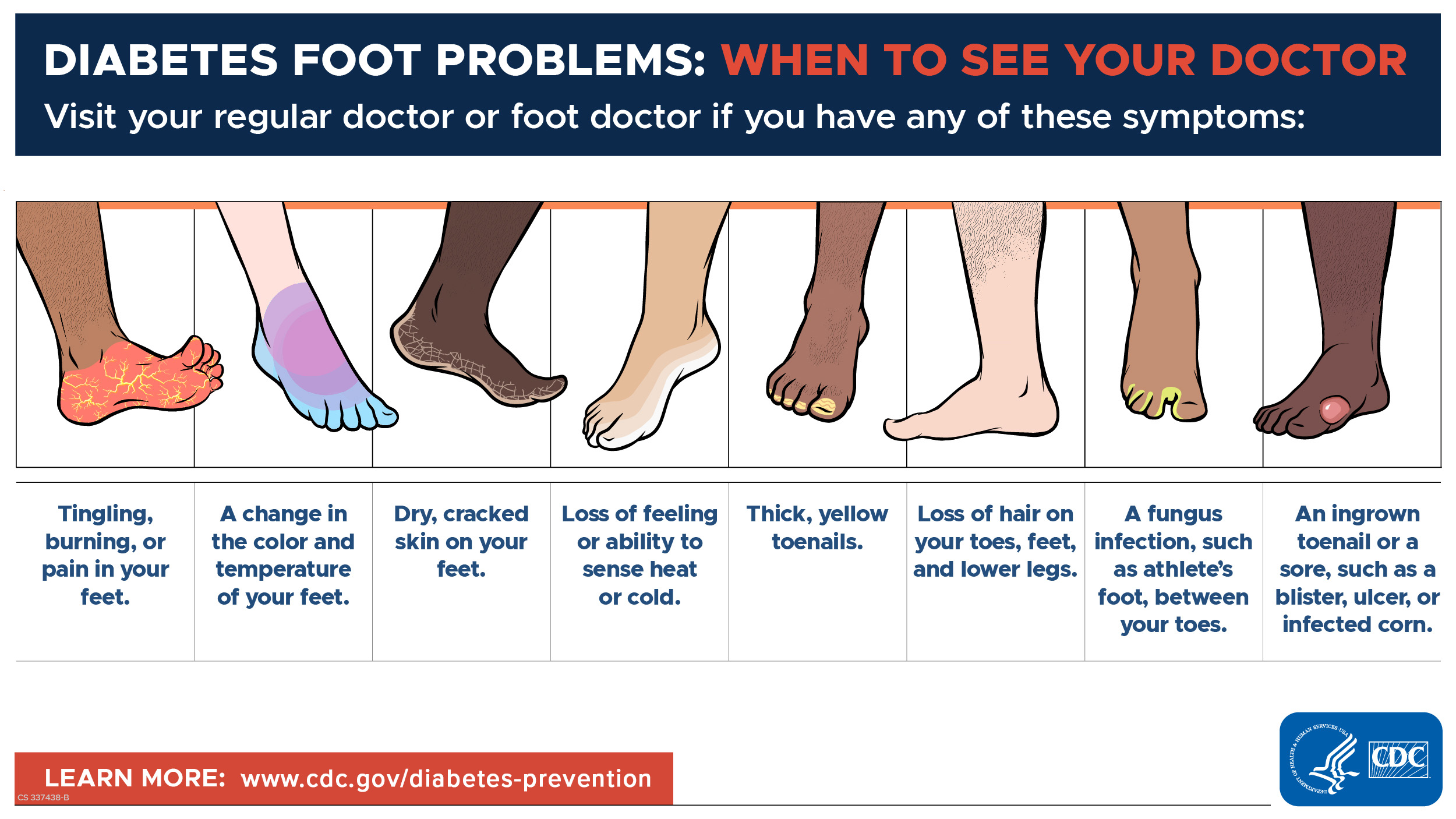
1. Dry, Cracked Heels: More Than Just Rough Skin
Those deep fissures on your heels aren’t just unsightly—they can crack open, inviting infections. In our dry winters or after walking barefoot, cracked heels are common, but persistent ones signal dehydration, standing too long, or even thyroid issues.
If cracks bleed or hurt, bacteria can enter, worsening in humid conditions. Tip: Moisturise daily with urea-based creams, and wear supportive footwear.

2. Persistent Foot Pain: Don’t Just “Walk It Off”
A constant ache in your arches, heels, or balls of your feet? It could be plantar fasciitis from unsupportive chappals, flat feet common in Indians, or stress fractures from daily hustles.
In diabetes-prone India, ongoing pain might hint at neuropathy. Ignore it, and it could lead to ulcers. Try orthotic inserts or consult a podiatrist if it lasts over a week.


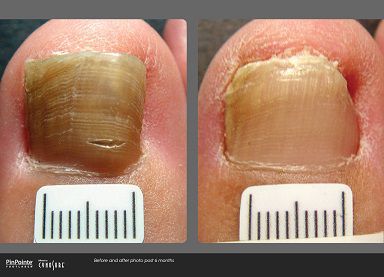
3. Thick, Yellow Toenails: A Classic Fungal Red Flag
Discoloured, brittle, or thickened nails? That’s often toenail fungus (onychomycosis), thriving in our sweaty socks and shared bathrooms.
In diabetics, fungal infections affect up to 6-7% and can spread, leading to serious complications. Over-the-counter antifungal creams help early, but see a doctor if it persists.

4. Swollen Feet or Ankles: Could Be a Circulation Alert
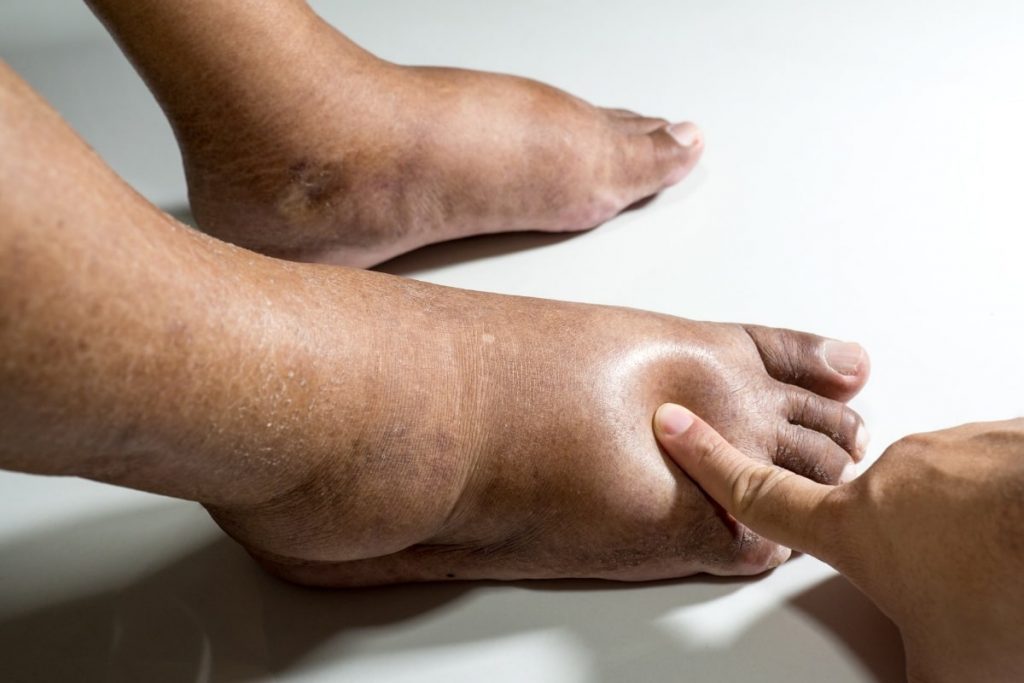
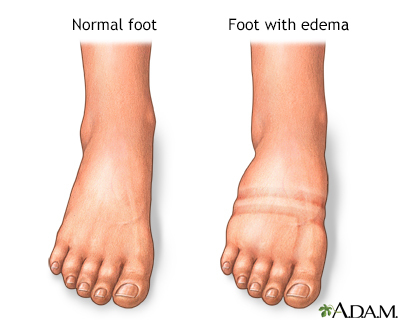
Puffy feet after a long day are normal, but constant swelling (edema) might point to heart, kidney issues, or poor circulation—especially risky with hypertension common here.
In pregnancy or salty diets, it’s frequent, but one-sided swelling needs urgent checks for clots. Elevate feet and cut salt; seek help if it doesn’t subside.
5. Numbness or Tingling: A Serious Diabetes Warning
That “pins and needles” feeling or loss of sensation? It’s often diabetic neuropathy, affecting many in India due to high blood sugar.
Without feeling, minor cuts can turn into ulcers— a top cause of amputations here. Check blood sugar regularly and protect feet with proper shoes.
:max_bytes(150000):strip_icc()/Diabetic-peripheral-neuropathy-5208619_final-f205ec5b866448108867a91cc588dd8b.jpg)
These warning signs of poor foot health are your body’s way of asking for attention. In India, where diabetes and lifestyle factors amp up risks, early action is key wash feet daily, dry thoroughly, wear breathable footwear, and see a doctor promptly.